



Attendance
At Forward As One it is our ambition to have every child in school every day and therefore a robust and effective attendance strategy is implemented in every school.
Attendance is everybody’s responsibility but there are 3 people at Gorsefield who have the specific job of overseeing attendance:
Lindsey Ireland (Family Liaison)– Attendance Lead
Forward As One’s school senior leaderships teams strive to build a culture where all staff are clear on their roles and responsibilities and therefore can be held to account. To enable all staff to fulfil their role, clear systems and procedures are implemented and are understood by all and applied consistently.
Forward As One’s approach focuses on preventative measures and swift intervention. This allows leaders to plan for contextual challenges, alongside educating parents on the impact of absence from school both academically and socially.
The key principle underpinning the approach of early intervention is to develop partnerships with parents to understand the barriers and work with families to remove them.
Forward As One Pupils Who Cannot Attend Due to a Medical Need
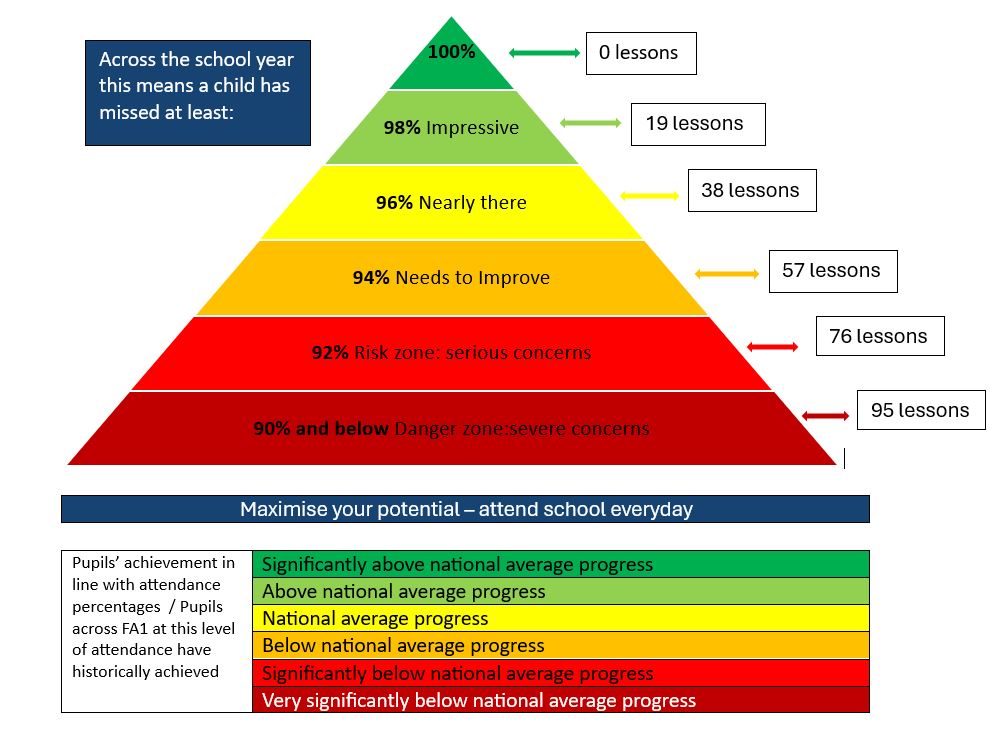
Gorsefield's Attendance Graduated Approach 2026 2027
100% Attendance Recognition Dates 2026 2027Attendance Award Individual Health Care Medical Plan
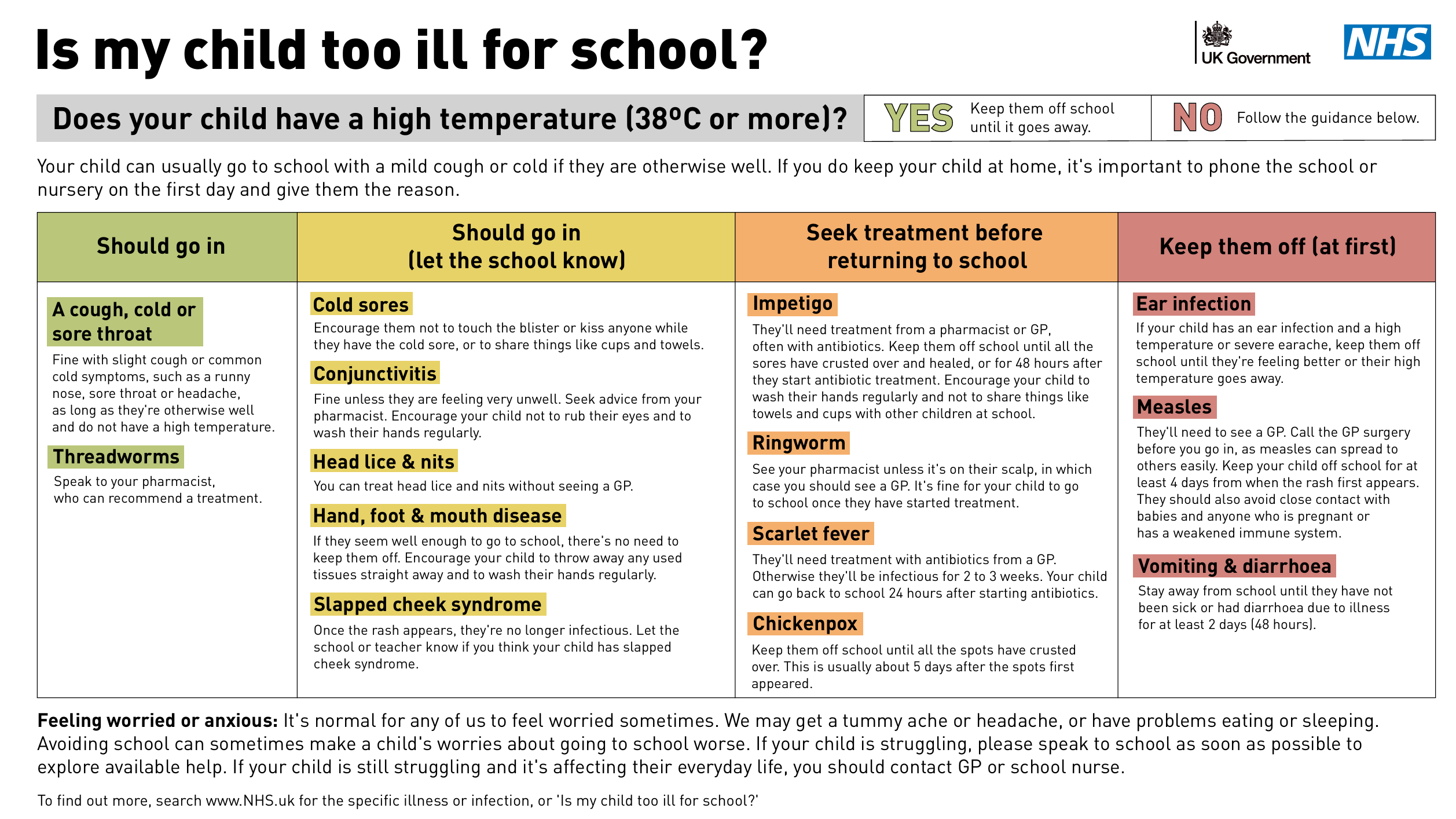
Do I Need To Keep My Child Off School?
Bury Penalty Notice Information Leaflet
DfE Summary Table of Responsibilities for School Attendance- Current
DfE Working Together to Improve School Attendance- Current
Parent and Carer Absence Information for Children Under 5
Support with back-to-school worries
Clinical Psychologist Dr Nihara Krause has created these top tips to help parents manage concerns their child may have about returning to school after the holidays.
1. Rebuild routine early Children thrive on routine and during school holidays, sleep patterns, mealtimes, and daily structure become looser. This is completely normal, but this shift can make the return to school feel overwhelming. Start resetting sleep schedules 3 to 5 days before school begins by moving bedtime and wake-up time earlier in small steps. Reintroduce familiar routines such as reading before bed, laying out clothes, or having breakfast at the table. Limit screens for at least an hour before bed, as overstimulation can affect sleep quality.
2. Plan a calm and structured first morning back Keep mornings calm by preparing as much as possible the night before (uniforms, packed lunches, school bags, and PE kits) to reduce stress and set a positive tone for the day. Aim to wake up 10 to 15 minutes earlier on the first day back so there’s no need to rush. Create a warm, steady routine with breakfast together, a quiet chat, and a moment to check in on how your child is feeling. Maintaining a relaxed tone yourself also helps, as children often “borrow” their emotional cues from adults. A smooth, unhurried morning lowers stress and helps children walk into school feeling steadier and more confident.
3.Talk openly and validate feelings Communication is key, so try to keep checking in with your child in the run up to the return to school. Listen carefully to what’s on their mind, and help them break their concerns into smaller, manageable steps you can work through together. This helps them feel supported and understood. Don’t forget to highlight the positives of returning to school like seeing friends, their favourite lessons and enjoyable routines like after-school activities. Normalise their feelings and explain it’s very common to feel a little uneasy shifting routines from holiday mode to back-to-school.
Supporting Videos for Attendance
Why attending every day matters in primary school Why attending every day matters in primary schoolSchool attendance expectations for parents of those going into primary school Use for new parents with children starting in reception to set expectations and offer support around the transition. Starting secondary school and supporting your child's attendance